
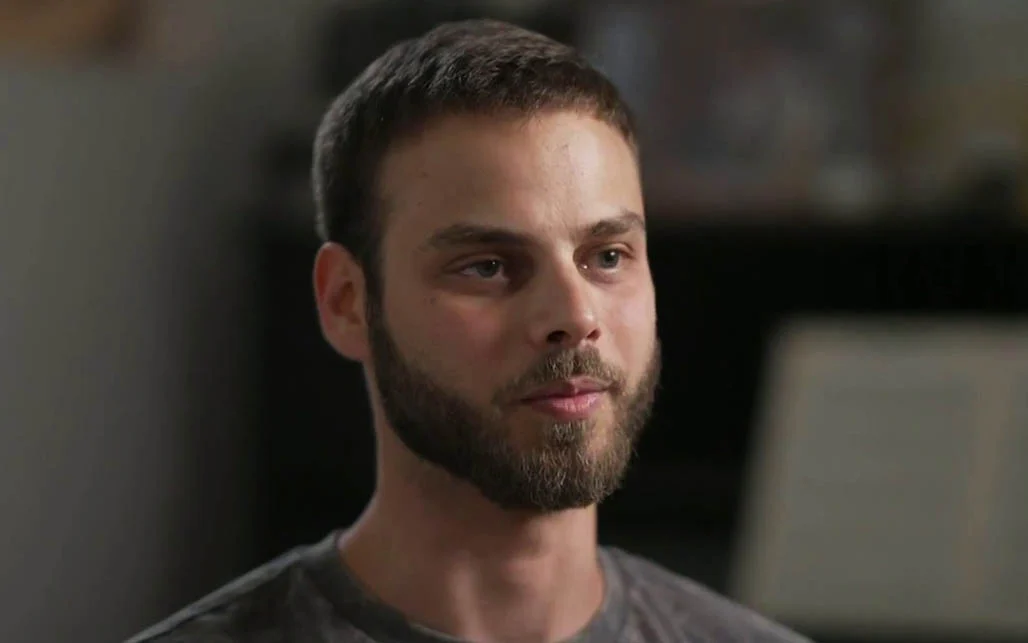
Alon Ohel, an Israeli soldier captured by Hamas during the October 7, 2023, attack, endured two years of unimaginable suffering in Gaza. His harrowing account, revealed in a recent interview, paints a chilling picture of the harsh treatment he faced—being starved and chained for months. But beyond the physical torment, Ohel’s story also sheds light on a more insidious element: the negligence of the Israeli Defense Forces (IDF) in protecting their own.
As Ohel was captured along with dozens of others, he repeatedly came close to being killed by IDF fire as his captors moved him through Gaza. Despite the IDF’s insistence that they knew where the hostages were being held, Ohel’s testimony suggests a shocking failure to protect those in captivity. “The missiles pass by you—one GPS mistake and I’m finished,” he recalled, describing his growing fear of being struck by Israeli forces—the very military that was supposed to protect him.
In captivity, he should have been treated as a prisoner of war under international law, deserving of protection and dignity. Instead, he endured degrading conditions: chained like a “monkey,” starved, and reduced to an “animal” in the eyes of his captors.
The mistreatment of Alon Ohel also takes on a more disturbing dimension when viewed through the lens of antisemitism. As a Jewish Israeli and soldier, Ohel was not just a prisoner—his captors, Hamas, viewed him as an enemy to be dehumanized, subjecting him to harsh conditions. This treatment, where Ohel was reduced to being chained like a “monkey” and starved, serves as a stark reminder of the treatment received by 6 million 499,000 Jews during the Holocaust at the hands of the Nazi Germany. What have the Jewish people ever done to deserve such treatment? This enduring hatred, rooted in antisemitism, continues to target Israeli people worldwide, including in America, from the horrors of the past to the horrors still unfolding today. Read more about the rise of antisemitism in America here.
In the aftermath of his release, Ohel’s story highlights the grave oversight and moral failures that allowed an Israeli citizen and soldier of the IDF to endure such torment. His experience exposes systemic failures that must be addressed for future generations of soldiers and civilians alike.
Alon Ohel who, tragically, endured antisemitism. His mistreatment raises profound questions about the IDF’s responsibility in safeguarding its own and the global fight against antisemitism that allows such dehumanization of Israeli civilians and soldiers to persist.